
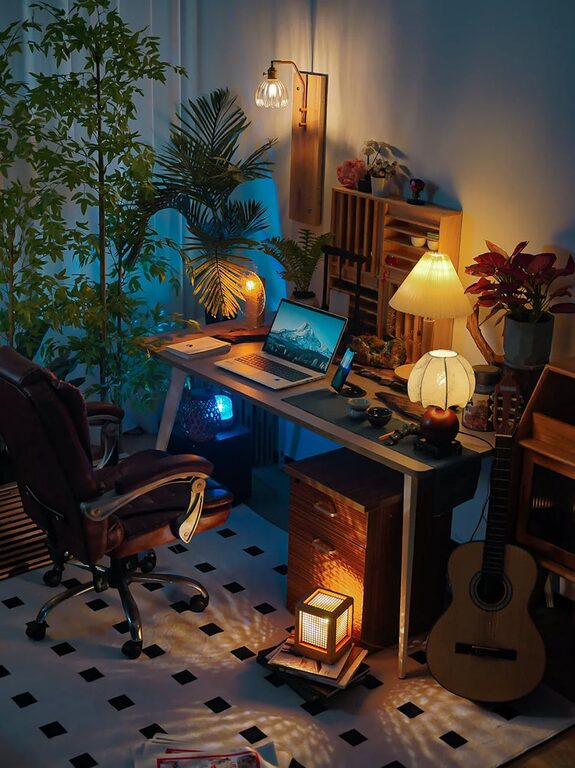
Creating a cozy and inviting home office space can transform the way you work and help you stay motivated throughout the day. Whether you have a dedicated room or just a corner in your living space, designing a workspace that feels comfortable and inspiring is possible with a few thoughtful touches. In this post, we’ll share practical tips to help you create a home office that promotes both productivity and relaxation.
1. Choose the Right Location
Finding the perfect spot for your home office is the first step to making it inviting. Consider the following:
– Natural Light: Position your desk near a window to enjoy natural sunlight. This not only boosts your mood but also reduces eye strain.
– Quiet Area: Select a place away from high-traffic areas or noisy appliances to minimize distractions.
– Space Availability: Ensure there is enough room for your desk, chair, and necessary equipment without feeling cramped.
Even small spaces can be transformed into a comfortable home office by carefully considering the location.
2. Invest in Comfortable Furniture
Comfort is key to maintaining focus in your home office. The right furniture can make a big difference:
– Ergonomic Chair: Choose a chair with adjustable height and good lumbar support to protect your back during long working hours.
– Desk: Select a desk that fits your needs, with enough surface area for your computer, notebooks, and any other tools.
– Additional Seating: If space allows, add a cozy chair or small couch for reading or brainstorming sessions.
Ergonomics not only improve comfort but also help prevent physical strain.
3. Use Warm and Calming Colors
Color influences our mood and productivity. To make your home office inviting:
– Opt for warm neutrals such as beige, soft gray, or light browns, which promote relaxation.
– Consider accent colors like muted greens, blues, or earth tones to add a touch of personality without overwhelming the senses.
– Avoid overly bright or harsh colors that might cause distraction or stress.
Using calming color palettes creates a tranquil environment conducive to focused work.
4. Maximize Lighting
In addition to natural light, good artificial lighting is essential.
– Use a combination of overhead lighting and task lighting to prevent eye fatigue.
– A desk lamp with adjustable brightness allows you to control light levels based on your activity.
– Consider using warm light bulbs rather than cool, harsh white lights for a more inviting glow.
Good lighting improves visibility and adds to the cozy atmosphere.
5. Incorporate Personal Touches
Adding elements that reflect your personality helps make the space feel inviting and uniquely yours.
– Hang artwork or photos that inspire and motivate you.
– Use decorative items such as plants, candles, or vases to add texture and warmth.
– Display books or meaningful objects on shelves to create a sense of comfort and familiarity.
These personal touches make your home office a space you look forward to spending time in.
6. Organize and Declutter
A tidy workspace improves focus and reduces stress.
– Use storage solutions such as shelves, bins, and drawer organizers to keep supplies in order.
– Keep your desktop clear of unnecessary items.
– Implement a daily or weekly routine to tidy your space and avoid clutter buildup.
An organized office supports productivity and creates a peaceful environment.
7. Add Greenery
Plants are a simple yet effective way to enhance your home office.
– Indoor plants improve air quality and add a natural element to your space.
– Choose easy-care plants like succulents, spider plants, or pothos.
– Place plants on your desk, windowsill, or shelves for a touch of nature.
Greenery helps reduce stress and adds to the cozy vibe of your workspace.
8. Manage Technology Wisely
Technology is vital, but it can also create clutter and distractions.
– Use cable organizers to keep cords neat and out of sight.
– Choose wireless devices when possible to minimize mess.
– Position screens at eye level to promote better posture.
– Consider noise-cancelling headphones if you share your space with others.
Efficient tech management enhances both comfort and focus.
9. Create Zones for Different Activities
If your home office is large enough, divide the space into different zones.
– A work zone where you focus on computer or paperwork tasks.
– A relaxation zone with comfortable seating for breaks or reading.
– A storage zone for supplies and tools.
Zoning helps keep your workspace organized and supports varied activities throughout the day.
10. Establish a Routine and Stick to It
Finally, a cozy and inviting home office is most effective when you use it regularly.
– Set consistent working hours to create a sense of structure.
– Take breaks and move around to avoid fatigue.
– Keep your home office separate from living areas as much as possible to maintain work-life balance.
Creating a comfortable space combined with a healthy routine leads to long-term success and satisfaction.
—
Designing a cozy and inviting home office doesn’t have to be complicated. By combining comfort, organization, personal style, and good lighting, you can create a workspace that feels like a second home. Start with these tips and adjust them to your needs and preferences to build a productive and pleasant environment for your daily work.