
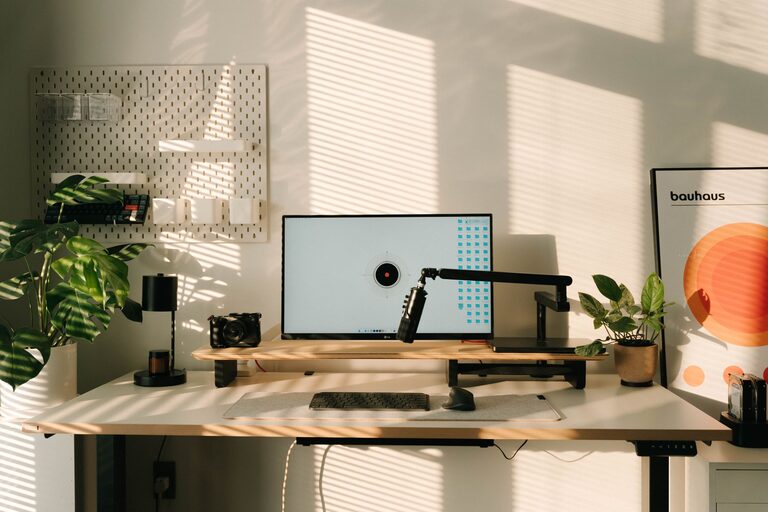
Creating a relaxing home workspace is essential for boosting productivity and maintaining your well-being. Whether you work remotely full-time or occasionally from home, your environment plays a big role in how motivated and focused you feel. A workspace that promotes calm and comfort can reduce stress, increase concentration, and help you stay energized throughout the day. Here are practical tips to design a home office that supports both your work goals and personal wellness.
Choose the Right Location
Finding the ideal spot for your workspace is the first step. Look for a quiet area with minimal distractions. If possible, pick a room with natural light and good ventilation to keep the space fresh and bright.
– Avoid high-traffic or noisy areas in your home.
– Position your desk near a window for daylight and outdoor views.
– Ensure you have enough space for your equipment and to move comfortably.
Invest in Comfortable Furniture
Comfort matters when you spend hours working at home. A good chair and desk will prevent strain and help you maintain proper posture.
– Choose an ergonomic chair with adjustable height and lumbar support.
– Pick a desk at the right height for typing and writing.
– Use a footrest or seat cushion if needed to improve comfort.
Keep Your Workspace Organized
Clutter can increase stress and decrease focus. Keeping your workspace tidy helps create a calming atmosphere and makes it easier to find what you need.
– Use storage solutions like shelves, drawers, or bins.
– Keep only essential items on your desk.
– Regularly declutter and clean your workspace.
Add Calming Colors and Personal Touches
The colors and decoration in your workspace influence your mood. Soft, neutral shades or pastels often promote relaxation.
– Paint walls or add accessories in calming tones like light blue, green, or beige.
– Include a few personal items such as photos or small plants.
– Avoid overdecorating to maintain a minimalist vibe.
Incorporate Natural Elements
Bringing nature indoors can help reduce stress and improve focus.
– Place a few potted plants in your workspace.
– Use natural materials like wood or stone for furniture or decor.
– Open windows occasionally for fresh air and natural sounds.
Control Lighting Effectively
Proper lighting reduces eye strain and fatigue.
– Use a combination of ambient light and task lighting.
– Avoid harsh overhead lights; opt for adjustable desk lamps.
– Position your screen to reduce glare from windows or lamps.
Establish Boundaries
A dedicated workspace helps separate work from home life, which can enhance relaxation when you’re off-duty.
– Avoid working in your bedroom or on the couch.
– Set specific work hours and stick to them.
– Communicate your workspace boundaries to household members.
Incorporate Relaxation Aids
Small touches can help you relax during breaks, improving overall well-being.
– Keep a diffuser with calming essential oils like lavender or eucalyptus nearby.
– Use noise-cancelling headphones or play soft background music if it helps you focus.
– Have a cozy blanket or cushion for short rest periods.
Keep Technology in Check
Technology can be helpful but may also cause stress if it’s cluttered or distracting.
– Organize cables using clips or sleeves.
– Keep devices you don’t need for work out of sight.
– Turn off unnecessary notifications to maintain focus.
Take Breaks and Move
No workspace is complete without encouraging healthy habits.
– Stand up and stretch regularly.
– Take short walks, even if just inside your home.
– Practice deep breathing or mindfulness exercises during breaks.
—
Creating a relaxing home workspace isn’t just about aesthetics—it’s about setting up an environment that supports your work habits and emotional health. By focusing on comfort, organization, natural elements, and boundaries, you can design a space that makes working from home a more productive and enjoyable experience. Start with small changes and adjust as you learn what best helps you stay calm and focused throughout your day.